
 (866) 767-3117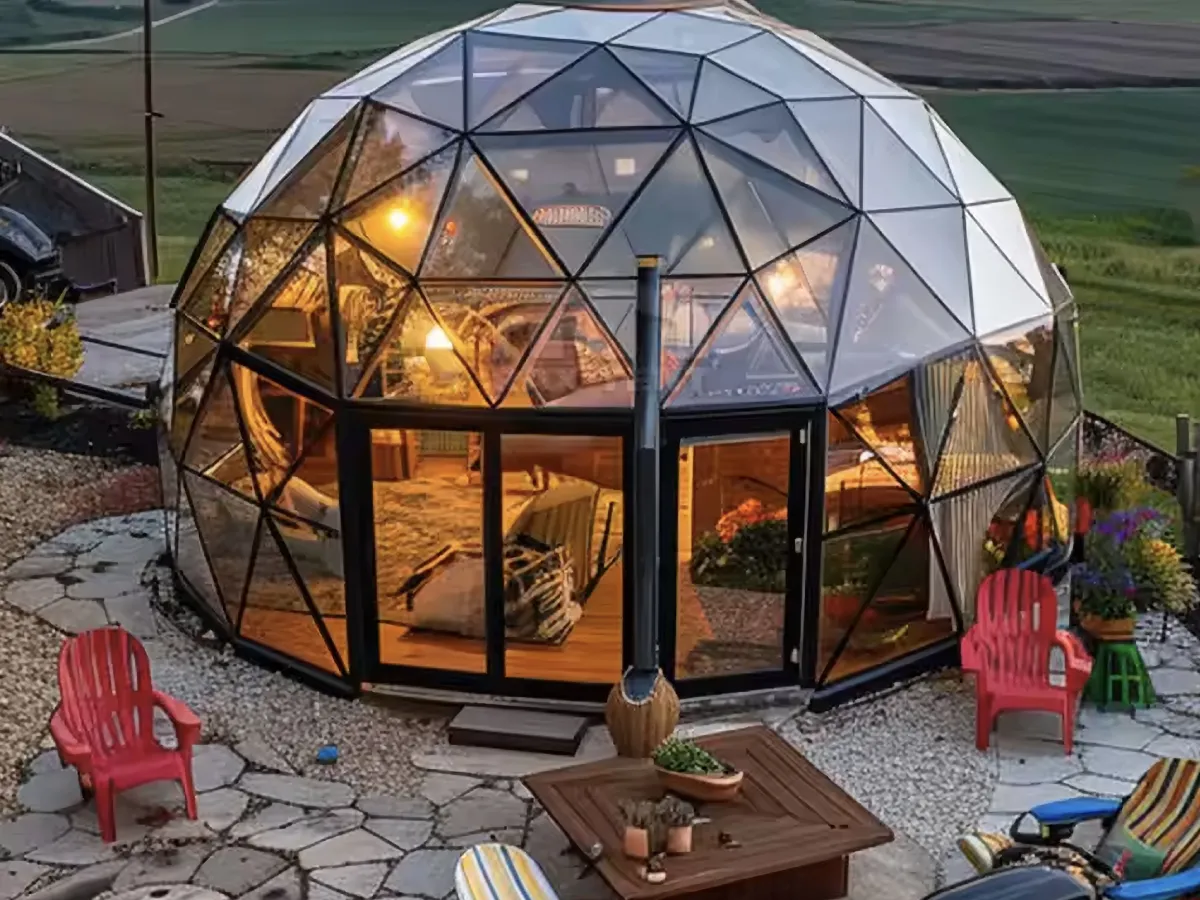
Planning guide · Weddings
Wedding Event Structures & Tent Alternatives: Choosing a Temporary Wedding Venue
A temporary structure lets a couple marry where they want: a family property, a vineyard, a mountain site. This guide compares the main tent and structure options for ceremonies and receptions, and what planners check before booking.
In short
A wedding event structure is a temporary venue for a ceremony, a reception, or both, installed on a site with no suitable building. The options include sailcloth and pole tents, frame and clearspan tents, wooden pavilions, and geodesic domes, each with a different look, interior, and relationship to the view.
Why couples use a temporary structure
The site comes first: a family property, a meaningful landscape, or a venue that needs more room. A structure adds shelter, a room for dinner and dancing, and a backdrop, without giving up the setting.
The main options
Each option trades looks, interior, and practicality differently:
- Sailcloth and pole tents: soft peaks and a classic look, with center poles and guy lines shaping the layout
- Frame and clearspan tents: open interiors and clean lines, with clear or solid sidewalls
- Wooden pavilions: a warm, built look with a heavier installation
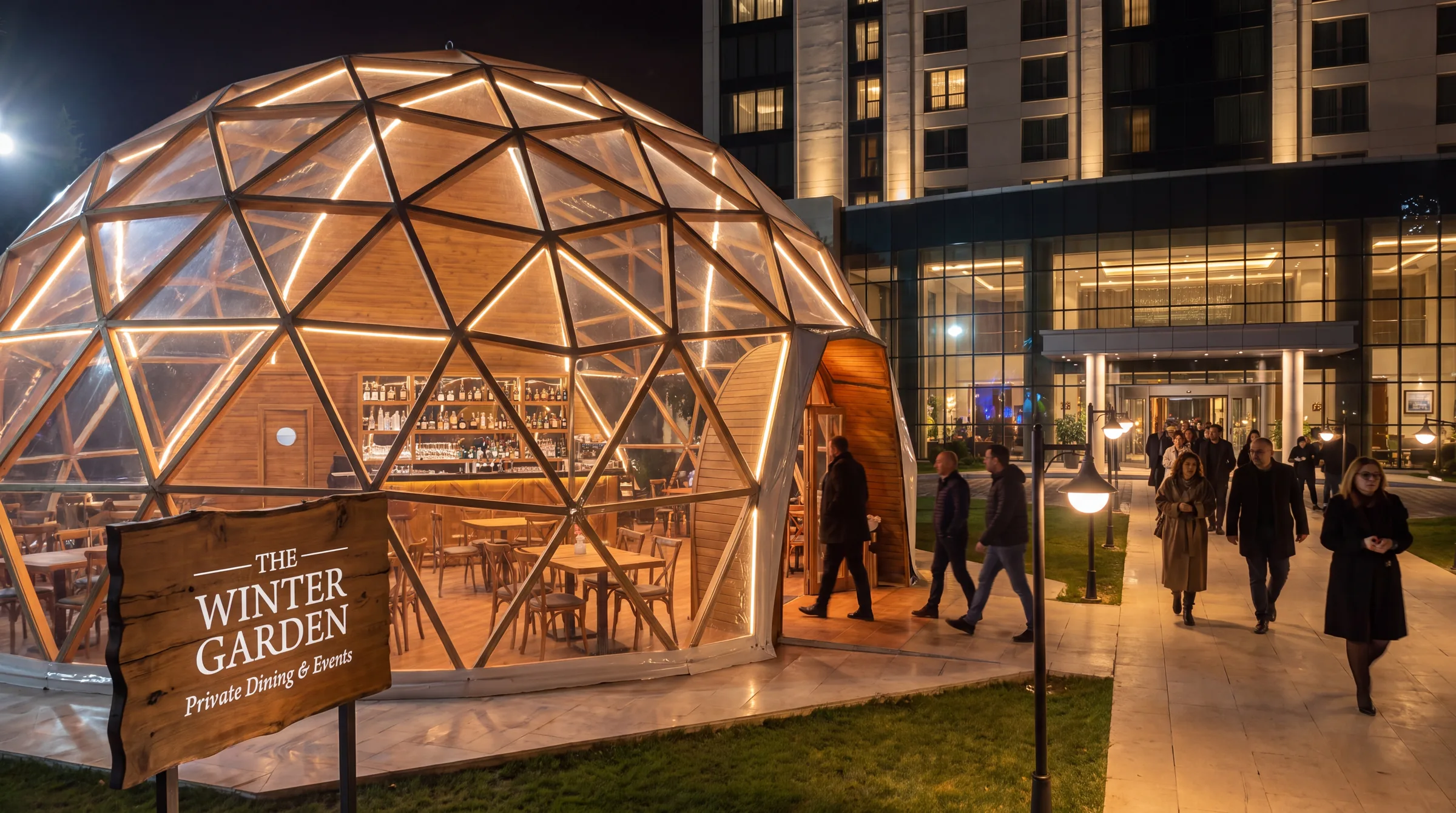
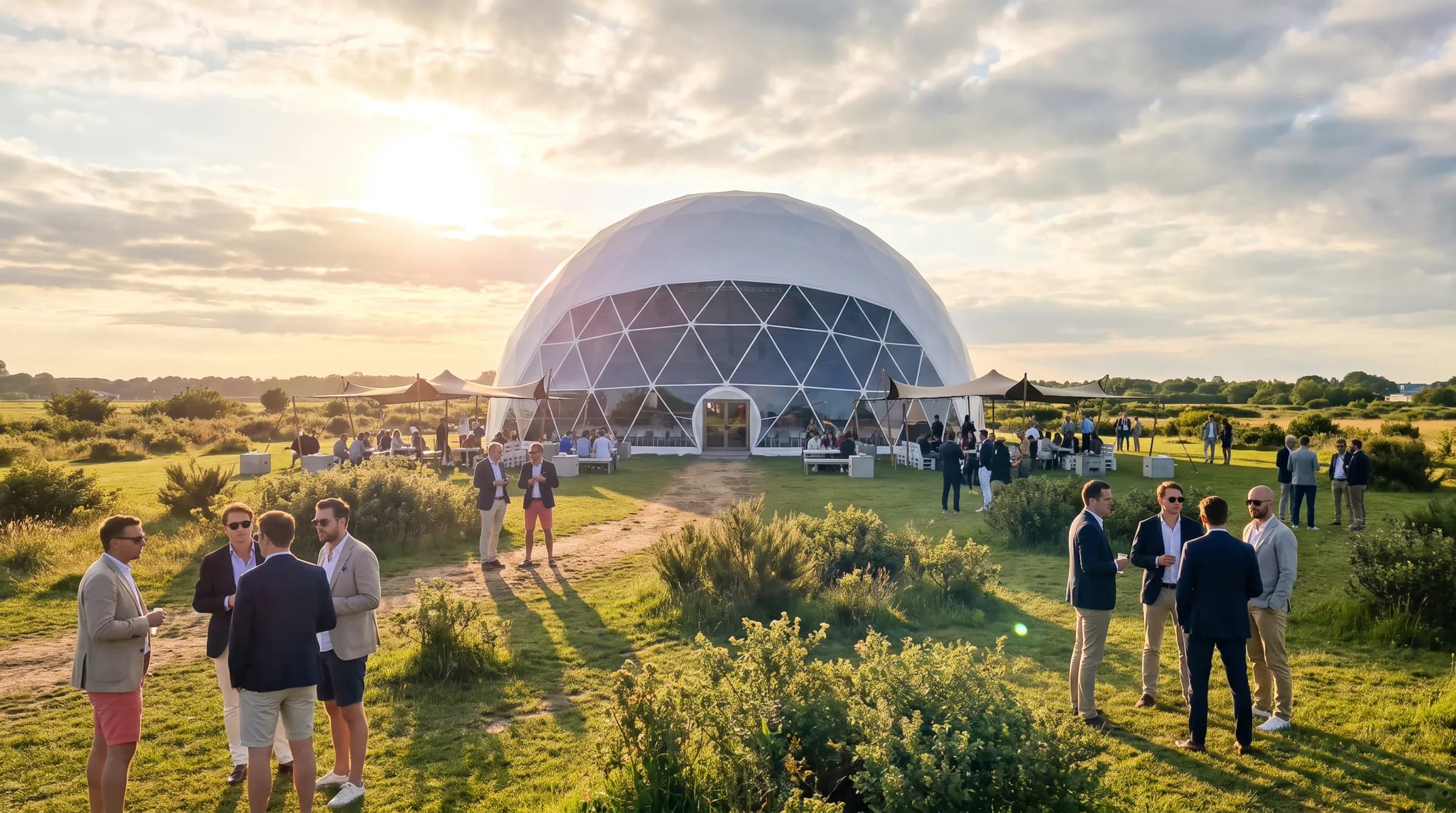
- Geodesic domes: a striking silhouette, an open interior with no center poles, and clear covers that keep the view
Ceremony, reception, or both
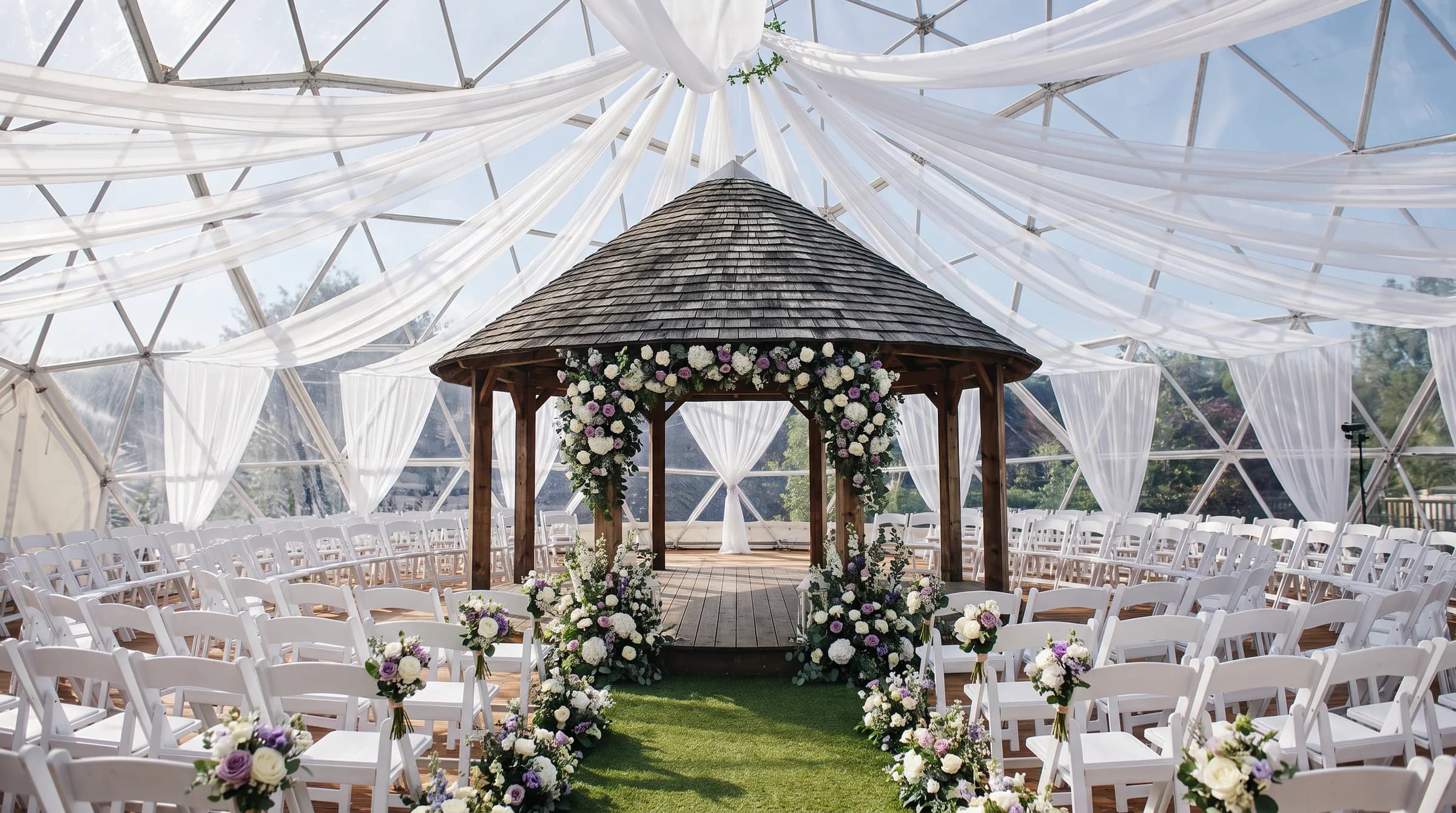
Ceremonies need an aisle, a focal point, and good light at the right time of day. Receptions need room for dining, a dance floor, a bar, and service. Some couples use one structure and turn the room between the two; others use a separate structure for each.
Clear covers and the view
Clear walls and covers keep the landscape in the room, which is often why the couple chose the site. Plan for the sun at ceremony time, privacy after dark, and how the structure will look lit from outside.
Floor plans, dining, and dancing
Seating style changes the size you need: long tables, rounds, and lounge areas all use space differently. An open interior without poles lets tables and the dance floor go wherever they work best.
Climate and lighting
Heating, cooling, and lighting turn a structure into a room guests stay in all evening. Plan power for them early, and size climate control to the season.
Weddings on private land
Private property gives couples the most freedom and the most responsibility: power, restrooms, parking, catering access, and neighbors all need a plan. Ask the local authority what it requires for temporary structures and events on the property.
Delivery, access, and weather
Structures need a delivery route, a level surface, and working room for installation. Build a weather plan for wind and rain, and agree setup and removal windows with the property or venue.
Compare
Wedding structures compared
The look, the interior, and the site needs, side by side.
| Structure | Look | Interior poles | View | Enclosure | Site needs | Lighting and media |
|---|---|---|---|---|---|---|
| Sailcloth or pole tent | Soft peaks, classic | Center poles | Open sides possible | Sidewalls available | Usually staked, with room for guy lines | Lighting hung from poles and perimeter |
| Frame or clearspan tent | Clean and modern | None inside the span | Clear sidewalls available | Clear or solid walls | Flat ground; staked or ballasted | Lighting hung from the frame |
| Wooden pavilion | Warm and built | Depends on the design | Open-sided designs | Varies | A heavier installation on level ground | Built-in or decorative lighting |
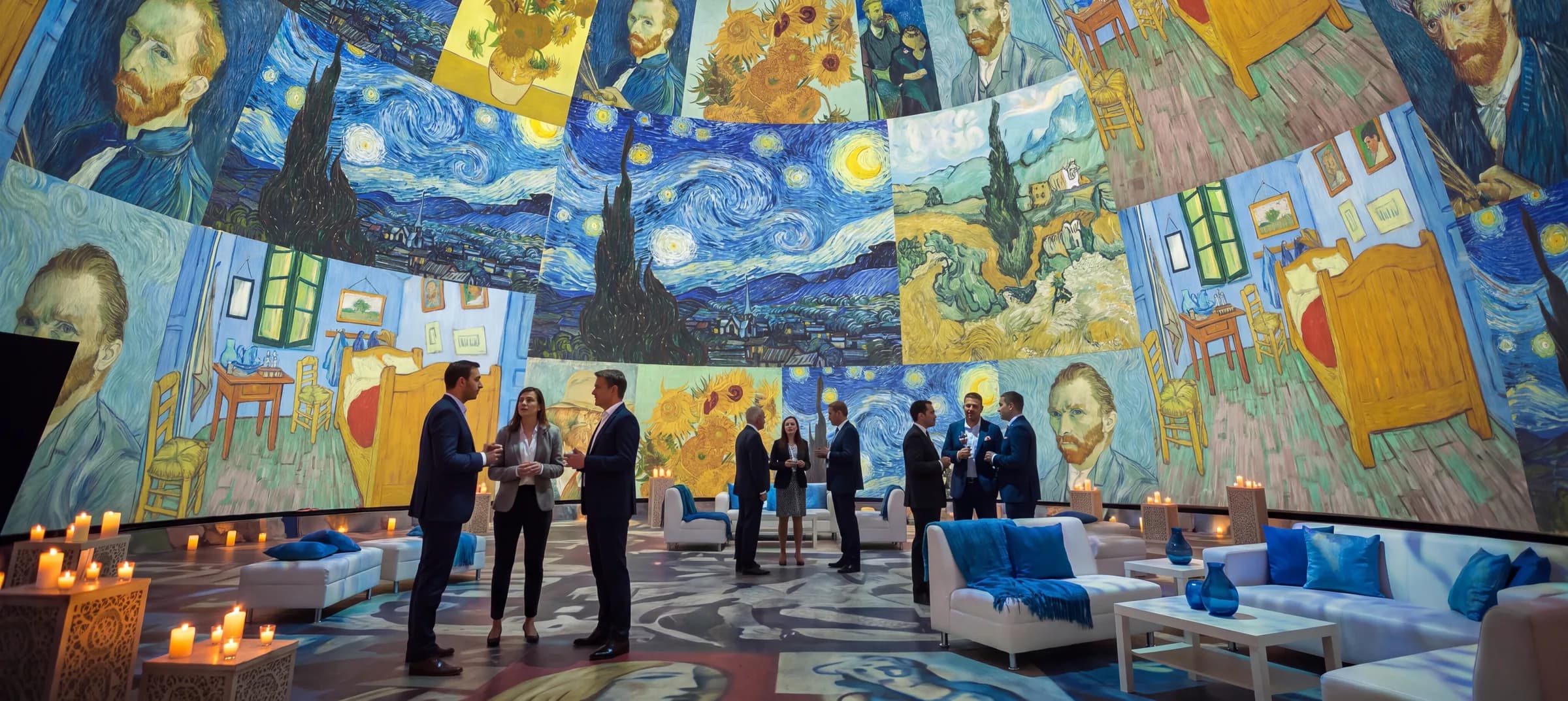
| Geodesic dome | Striking and contemporary | None: an open interior | A clear cover keeps the view | Fully enclosed: clear, translucent, or blackout | A level surface; anchoring or ballast set by engineering | Lighting design; projection as an option |
General characteristics for early planning, not specifications. Details vary by supplier, model, size, and site, so confirm each one with the vendor.
Choosing
When a traditional tent is enough, and when it isn’t
A good tent company is often the right call.
A traditional tent is the better answer when
- It’s a casual celebration and shade or rain cover is the brief
- It’s a large guest count on a flat, open lawn with a standard layout
- A local tent company can deliver the size and style you want
- The budget leads and the décor will carry the look
A statement structure earns its place when
- The structure is part of the design, not just shelter
- Clear covers should frame the view without poles in the photos
- The celebration runs late in a season that needs climate control
- The site is remote or unusual and the structure is the venue
The Dome House
Where wedding domes fit
A dome is a freestanding, engineered structure with an open interior and no center poles, a clear cover option that keeps the setting visible, and climate control available for the season. It rents the way a high-end tent does: delivered, installed, and removed around your date, as quoted.
The Dome House provides the structure, not the land, resort, or permanent venue. You choose the place, and flooring, climate control, and lighting are available on the same quote.
Before you request a quote
What planners send with a first inquiry
Enough to recommend a structure and layout for the date.
01
The date, with setup and removal windows
02
The site: address, surface, and access
03
Guest count and seating style
04
Ceremony, reception, or both
05
The season and climate needs
06
Power, restrooms, and catering access on site
Ready to talk about your project?
A free 30-minute video call with Erick, our cofounder. Or call (866) 767-3117.
Questions, answered
Common questions
What are the alternatives to a wedding tent?
Sailcloth and pole tents, frame and clearspan tents, wooden pavilions, and geodesic domes. Each has a different look and interior: poles or none, clear or solid walls, and a different relationship to the view.
Can you build a wedding venue on private land?
Yes, and many couples marry at home or on family land this way. It takes a plan for power, restrooms, parking, catering access, and neighbors, plus whatever your local authority requires for temporary structures and events.
Which wedding structures have no center poles?
Frame and clearspan tents avoid center poles inside the span, and a geodesic dome has an open interior with no center poles. Sailcloth and pole tents use center poles as part of their shape.
Can a temporary wedding structure be climate controlled?
Often, when heating or cooling is planned with power and the season. For event domes, climate control is an available option, quoted to the season, the dome size, and the guest count.
What should a planner ask before booking a structure?
What’s included and what’s quoted separately, the setup and removal windows, what the site needs (surface, access, power), the weather plan, and the permitting documentation the structure comes with.
Still have questions? Book a call with our team →
Looking for a permanent dome home or a glamping dome instead? See our dome kits.
Book a call
Book a call with our team
Choose a day and time that works for you. We’ll connect over a quick video call to discuss your goals and how we can help.
- Event & projection rentals with delivery, setup, and teardown
- Straight answers on pricing, permits, and timelines
Prefer the phone? (866) 767-3117
Start your project
Plan your wedding venue
Tell us the date, the site, and the guest count. We’ll recommend a structure and layout and quote it for your date. We respond to inquiries or return calls within 24 hours. Quote preparation time depends on your project's scope and complexity. We'll discuss the expected timeline when we connect.
Prefer to talk it through?
A free 30-minute video call with Erick, our cofounder. Or call (866) 767-3117.