
 (866) 767-3117
Planning guide · Festivals and concerts
Festival & Concert Event Structures: Stages, Lounges, VIP & Sponsor Spaces
A festival site is a temporary town. This guide walks through the structures producers use zone by zone, from second stages to VIP and sponsor spaces, and what to plan before choosing a format.
In short
Festival event structures are the temporary buildings and enclosures that make up a festival site beyond the main stage: second stages, VIP and chill-out areas, sponsor activations, bars and merch, artist hospitality, and after-dark attractions. Producers mix marquees and clearspan tents, modular builds, inflatables, and domes, zone by zone.
Start with the site plan
Structures follow the site plan, not the other way around. Map the zones (performance, hospitality, sponsor, food and beverage, back of house), then decide what each zone needs from its structure: shade, enclosure, visibility, room, or a sense of arrival.
Stages and second performance spaces
Main stages are specialist builds with their own engineers and riggers. Second stages, DJ spaces, and performance tents are where producers have more choice of format. An enclosed structure contains light and sound and can run after dark.
Staging, rigging, and sound requirements come from your production team and the structure’s engineering, so settle them before the structure is chosen.
VIP, lounges, and artist hospitality
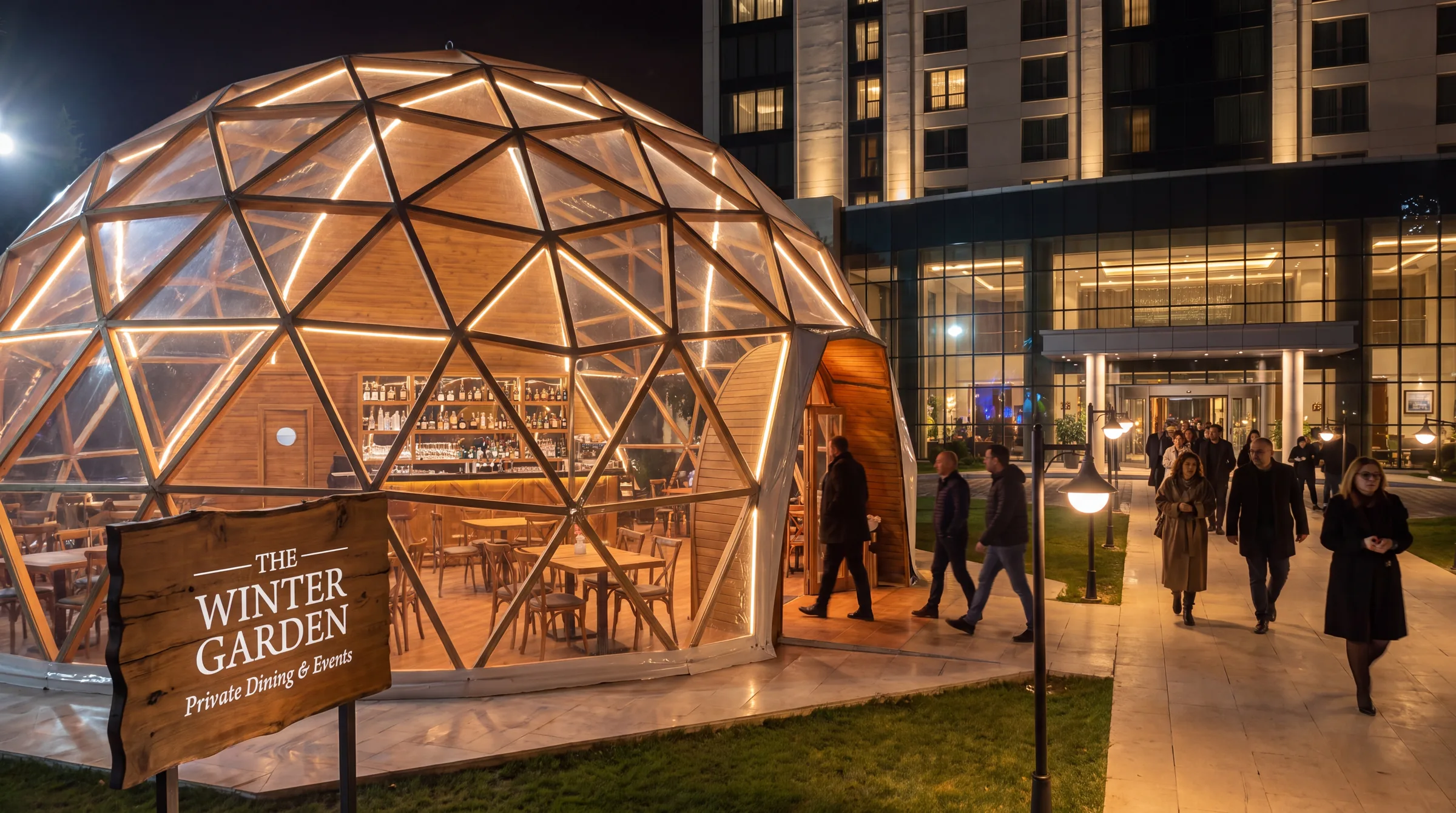
VIP areas sell comfort and separation: shade, seating, a bar, restrooms nearby, and a view of the action. Artist hospitality and green rooms need privacy and climate control. Structures that feel like rooms rather than tents raise the value of a premium ticket; see VIP hospitality structures.
Sponsor activations
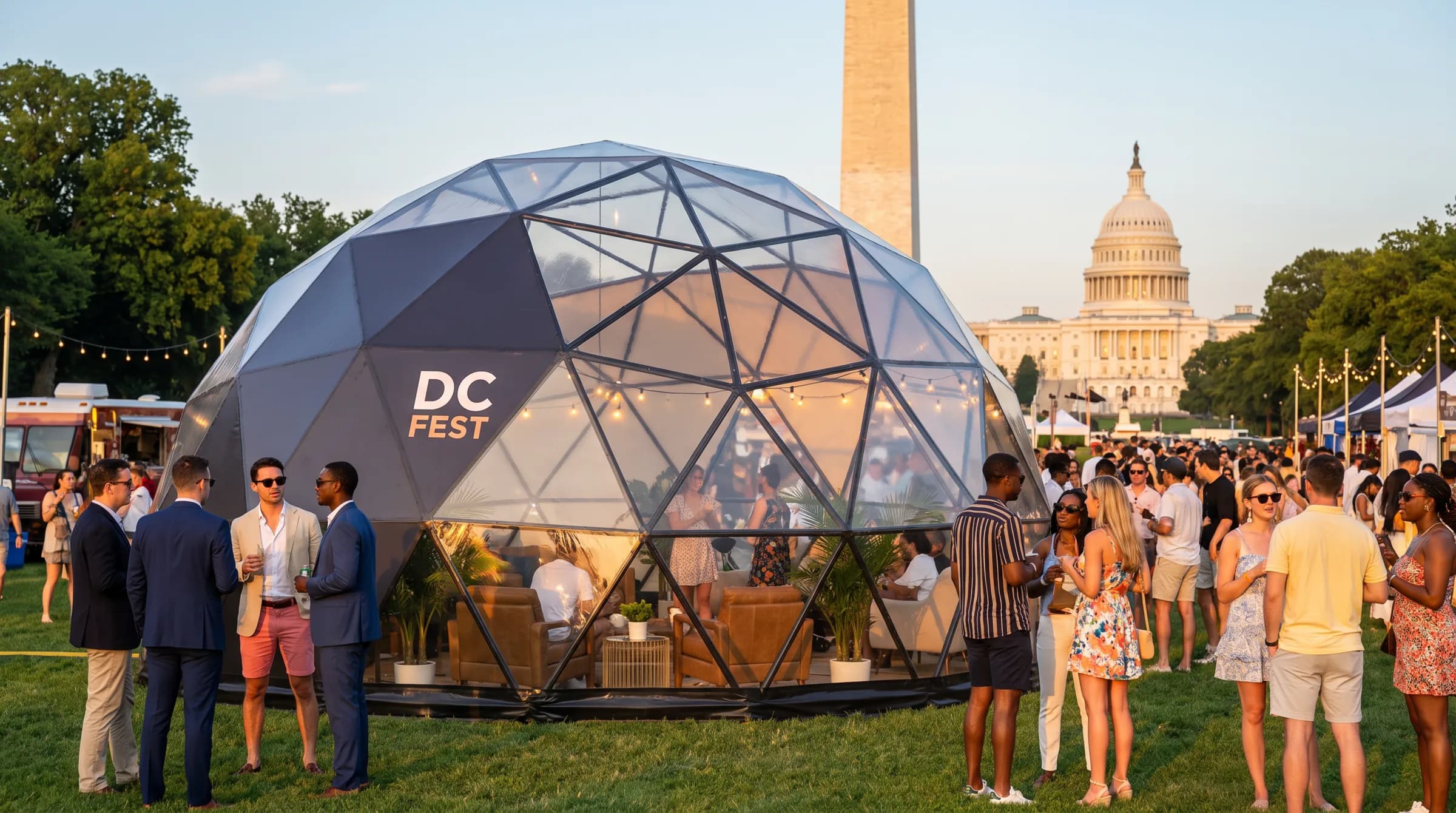
Sponsors want visibility from across the site and a reason for fans to come inside. Distinctive shapes and fully branded exteriors work as landmarks, and an enclosed interior gives the sponsor control over the experience. Brand activation structures compared covers the formats.
Bars, merch, and service structures
Bars and merch need counters, secure storage, and fast service lines, and practical frames and containers often fit them better than showpiece structures. Save the showpieces for the places guests will gather and photograph.
Projection and after-dark attractions
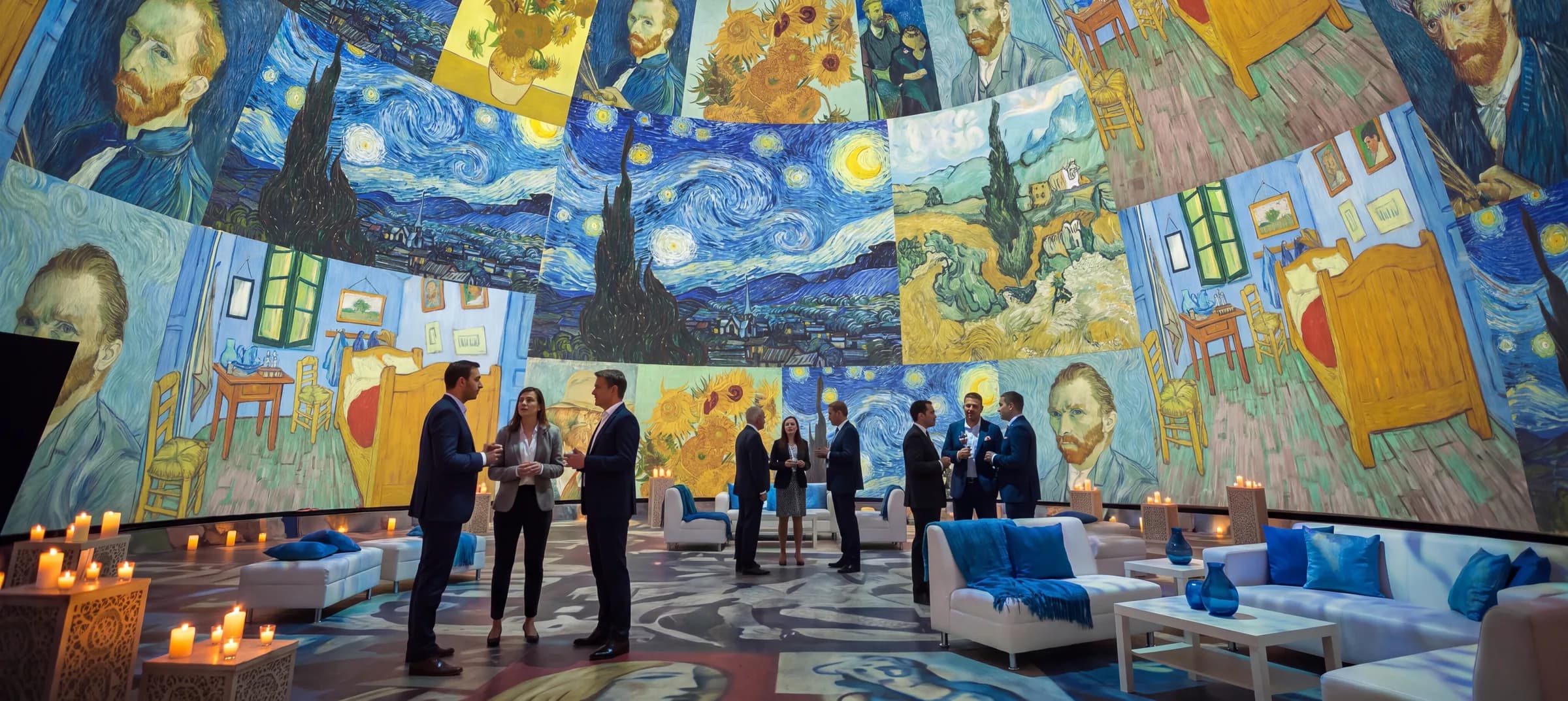
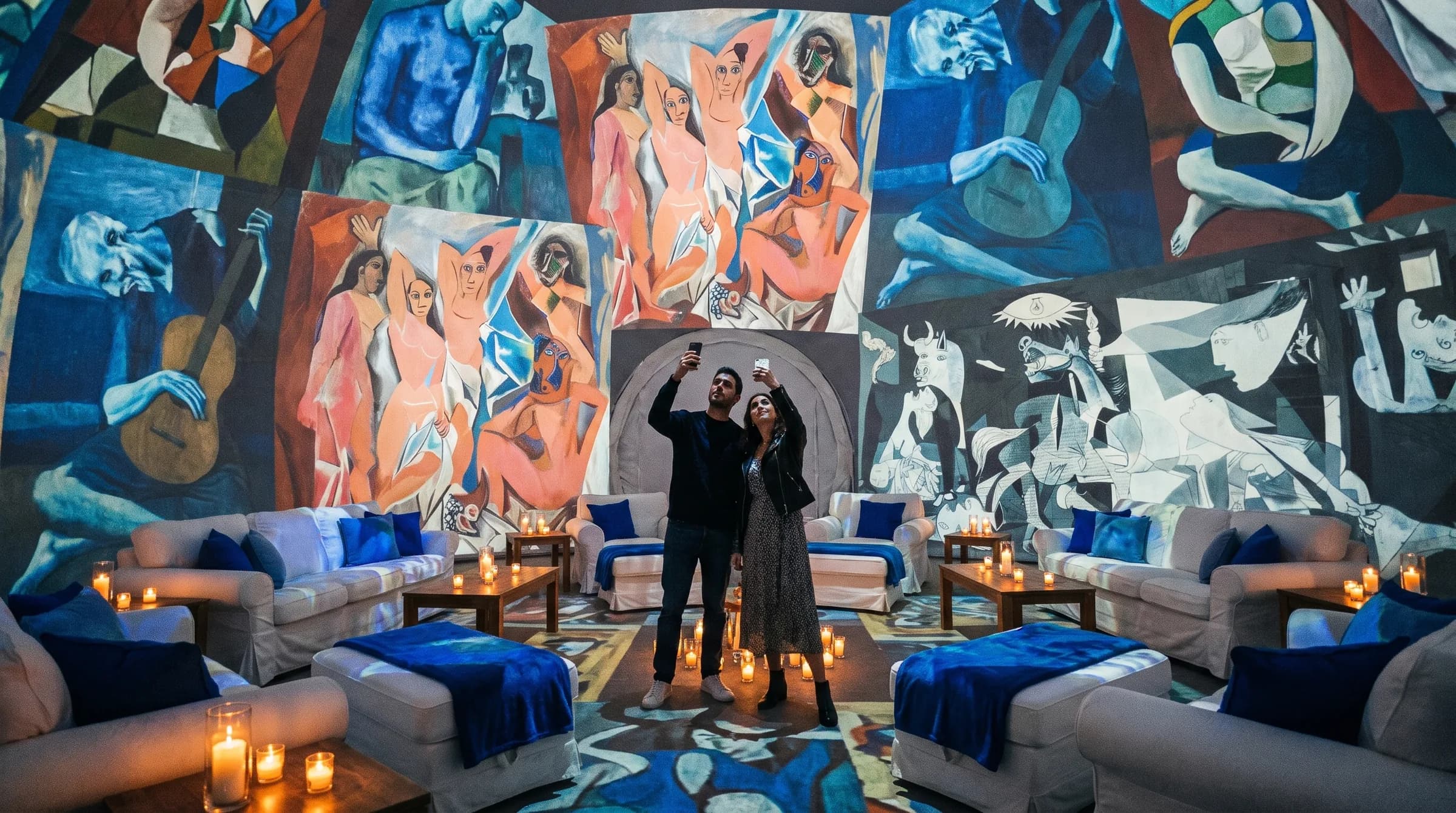
After sunset, an illuminated or projection-enabled structure becomes an attraction of its own: a 360° show, an immersive art space, or a sponsor experience. Projection needs darkness inside, and blackout enclosures make that possible outdoors. See immersive event spaces.
Crowd flow and landmark visibility
Structures shape how people move. Keep entrances away from pinch points, keep sightlines to stages clear, and use tall, recognizable structures as meeting points and wayfinding landmarks.
Access, power, and weather
Every structure needs a delivery route, working room for installation, power, and an anchoring or ballast plan set by the engineering for the ground, whether turf, asphalt, or sand. Build the weather plan with your safety team, and confirm permits and inspections with the local authority and the site owner.
Compare
Festival zone matrix
Which format tends to suit which zone, and what each brings to it.
| Format | Suited zones | Visibility | Enclosure | Branding | Media | Guest experience |
|---|---|---|---|---|---|---|
| Open stage roof | Main and second stages | High | Open | Banners and scrims | Stage lighting and screens | Standing crowds |
| Marquee or clearspan tent | Bars, food halls, large hospitality | Moderate | Open or walled | Wall and roof graphics | Screens and lighting | Familiar and practical |
| Modular structure | Premium hospitality, VIP decks | Moderate to high | Enclosed | Panels and glazing | Good with solid walls | Building-like |
| Inflatable | Sponsor activations, attractions | High | Enclosed | Fully printed skins | Good with opaque skins | Playful and sculptural |
| Geodesic dome | VIP, sponsor spaces, second stages, after-dark shows | High: a landmark shape | Enclosed: clear, translucent, or blackout | Printed and branded covers | Projection across the interior | A room with an arrival moment |
General characteristics for early planning, not specifications. Details vary by supplier, model, size, and site, so confirm each one with the vendor.
Choosing
When a standard tent is enough, and when it isn’t
Most of a festival site runs on practical structures, and that’s how it should be.
A standard festival tent is the better answer for
- Zones that need shade and rain cover, not an experience
- Bars, food, and merch that need counters and service lines
- Short events where speed and cost lead
- Back-of-house and storage areas
A showpiece structure earns its place for
- VIP and premium-ticket areas where comfort justifies the price
- Sponsor activations that need to be seen across the site
- After-dark shows that need a dark, enclosed room
- A signature landmark for photos and meeting points
- Multi-year festivals that can reuse a branded structure
The Dome House
Where event domes fit on a festival site
A dome works as a contained second stage or DJ dome rather than a main-stage replacement: sound, lighting, and flooring build into the open interior, and a blackout cover makes it a dark room even mid-afternoon. A printed, branded cover reads as a destination on the festival map, not a booth in a row, and the cover is reusable from stop to stop.
Rentals run from a single night to a full season on site, and touring festivals can move the structure between stops or purchase it once the calendar justifies owning.
Before you request a quote
What to send with a festival inquiry
With these, we can suggest structures zone by zone.
01
Festival dates, plus build and strike windows
02
The site map and the ground: turf, asphalt, or sand
03
The zones you’re planning: VIP, sponsor, stage, bars
04
Expected use and hours for each zone
05
Power available at each location
06
Branding, lighting, and projection ideas
Ready to talk about your project?
A free 30-minute video call with Erick, our cofounder. Or call (866) 767-3117.
Questions, answered
Common questions
What temporary structures do festivals use?
Most festivals mix several: stage roofs for performance, marquees and clearspan tents for bars and large hospitality, modular builds for premium areas, and inflatables or domes for sponsor activations, VIP lounges, and after-dark attractions.
What works for a sponsor activation at a festival?
A structure visible from across the site, with a fully branded exterior and a reason to go inside: a lounge, an experience, or a show. Enclosed formats give the sponsor control over light, sound, and flow.
How do you create a VIP area?
Separate it, make it comfortable, and give it a view: controlled entry, shade and seating, a bar, restrooms nearby, and climate control for the season. A structure that feels like a room raises the value of the ticket.
Can an event structure be used as a second stage?
Yes, as a contained second stage or DJ space rather than a main-stage replacement, when the structure, staging, and sound plan are designed together. Staging and rigging requirements come from your production team and the structure’s engineering.
What should producers provide for a quote?
Dates with build and strike windows, the site map and ground conditions, the zones you’re planning, expected use, available power, and branding or projection ideas.
Still have questions? Book a call with our team →
Looking for a permanent dome home or a glamping dome instead? See our dome kits.
Book a call
Book a call with our team
Choose a day and time that works for you. We’ll connect over a quick video call to discuss your goals and how we can help.
- Event & projection rentals with delivery, setup, and teardown
- Straight answers on pricing, permits, and timelines
Prefer the phone? (866) 767-3117
Start your project
Plan your festival structures
Send the dates, the site map, and the zones you’re planning. We’ll suggest structures zone by zone and quote them for your site. We respond to inquiries or return calls within 24 hours. Quote preparation time depends on your project's scope and complexity. We'll discuss the expected timeline when we connect.
Prefer to talk it through?
A free 30-minute video call with Erick, our cofounder. Or call (866) 767-3117.